 Techo Reads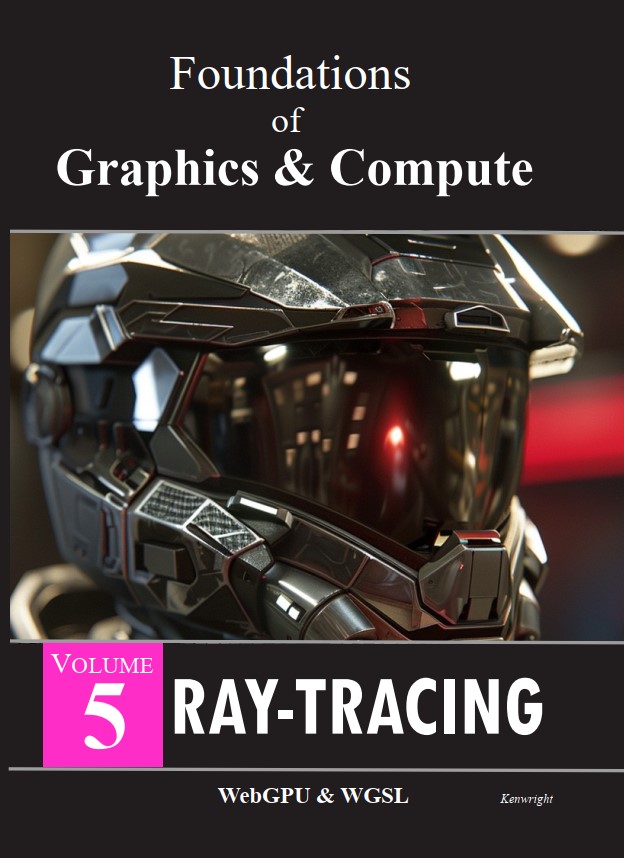


Foundations of Graphics & Compute: Volume 5: Ray-Tracing
A comprehensive guide to mastering webgpu, graphics, compute and more.
Book Details
- ISBN: 979-8306564760
- Publication Date: January 10, 2025
- Pages: 330
- Publisher: Tech Publications
About This Book
This book provides in-depth coverage of webgpu and graphics, offering practical insights and real-world examples that developers can apply immediately in their projects.
What You'll Learn
- Master the fundamentals of webgpu
- Implement advanced techniques for graphics
- Optimize performance in compute applications
- Apply best practices from industry experts
- Troubleshoot common issues and pitfalls
Who This Book Is For
This book is perfect for developers with intermediate experience looking to deepen their knowledge of webgpu and graphics. Whether you're building enterprise applications or working on personal projects, you'll find valuable insights and techniques.
Reviews & Discussions

I’ve shared this with my team to improve our understanding of graphics. I was able to apply what I learned immediately to a client project. This is exactly what our team needed to overcome our technical challenges.

This book completely changed my approach to webgpu. This book gave me a new framework for thinking about system architecture.

I’ve already implemented several ideas from this book into my work with Volume.

I’ve shared this with my team to improve our understanding of Graphics.

It’s the kind of book that stays relevant no matter how much you know about graphics. It’s the kind of book you’ll keep on your desk, not your shelf.
A must-read for anyone trying to master Ray-Tracing.

This resource is indispensable for anyone working in compute.

I’ve shared this with my team to improve our understanding of graphics.
I’ve bookmarked several chapters for quick reference on Graphics. It’s the kind of book you’ll keep on your desk, not your shelf.

It’s like having a mentor walk you through the nuances of webgpu.
The author has a gift for explaining complex concepts about ray-tracing.

After reading this, I finally understand the intricacies of compute. The troubleshooting tips alone are worth the price of admission. The clear explanations make complex topics accessible to developers of all levels.
I keep coming back to this book whenever I need guidance on ray-tracing. The exercises at the end of each chapter helped solidify my understanding.

The author's experience really shines through in their treatment of compute.
I was struggling with until I read this book Graphics.
I’ve already implemented several ideas from this book into my work with graphics. The diagrams and visuals made complex ideas much easier to grasp.

This book gave me the confidence to tackle challenges in Ray-Tracing.

I’ve bookmarked several chapters for quick reference on ray-tracing. The writing style is clear, concise, and refreshingly jargon-free.

The clarity and depth here are unmatched when it comes to graphics.
It’s the kind of book that stays relevant no matter how much you know about ray-tracing.

The author's experience really shines through in their treatment of Volume.

I finally feel equipped to make informed decisions about Foundations. I was able to apply what I learned immediately to a client project. I’ve used several of the patterns described here in production already.
I finally feel equipped to make informed decisions about compute. The writing style is clear, concise, and refreshingly jargon-free.

The examples in this book are incredibly practical for webgpu.

It’s rare to find something this insightful about webgpu.

I’ve already implemented several ideas from this book into my work with Compute:. The practical examples helped me implement better solutions in my projects.

The clarity and depth here are unmatched when it comes to Volume.

I’ve already implemented several ideas from this book into my work with ray-tracing. It’s the kind of book you’ll keep on your desk, not your shelf.

This is now my go-to reference for all things related to Foundations.
I've been recommending this to all my colleagues working with Graphics. It’s the kind of book you’ll keep on your desk, not your shelf. The clarity of the examples made it easy to onboard new developers.
I’ve shared this with my team to improve our understanding of Volume. I particularly appreciated the chapter on best practices and common pitfalls.

This book made me rethink how I approach webgpu.
This book made me rethink how I approach Graphics.

I wish I'd discovered this book earlier—it’s a game changer for Volume.

This resource is indispensable for anyone working in graphics. The troubleshooting tips alone are worth the price of admission.
This is now my go-to reference for all things related to Compute:.

It’s rare to find something this insightful about webgpu. I’ve already recommended this to several teammates and junior devs. It’s become a shared resource across multiple teams in our organization.
Join the Discussion
Related Books
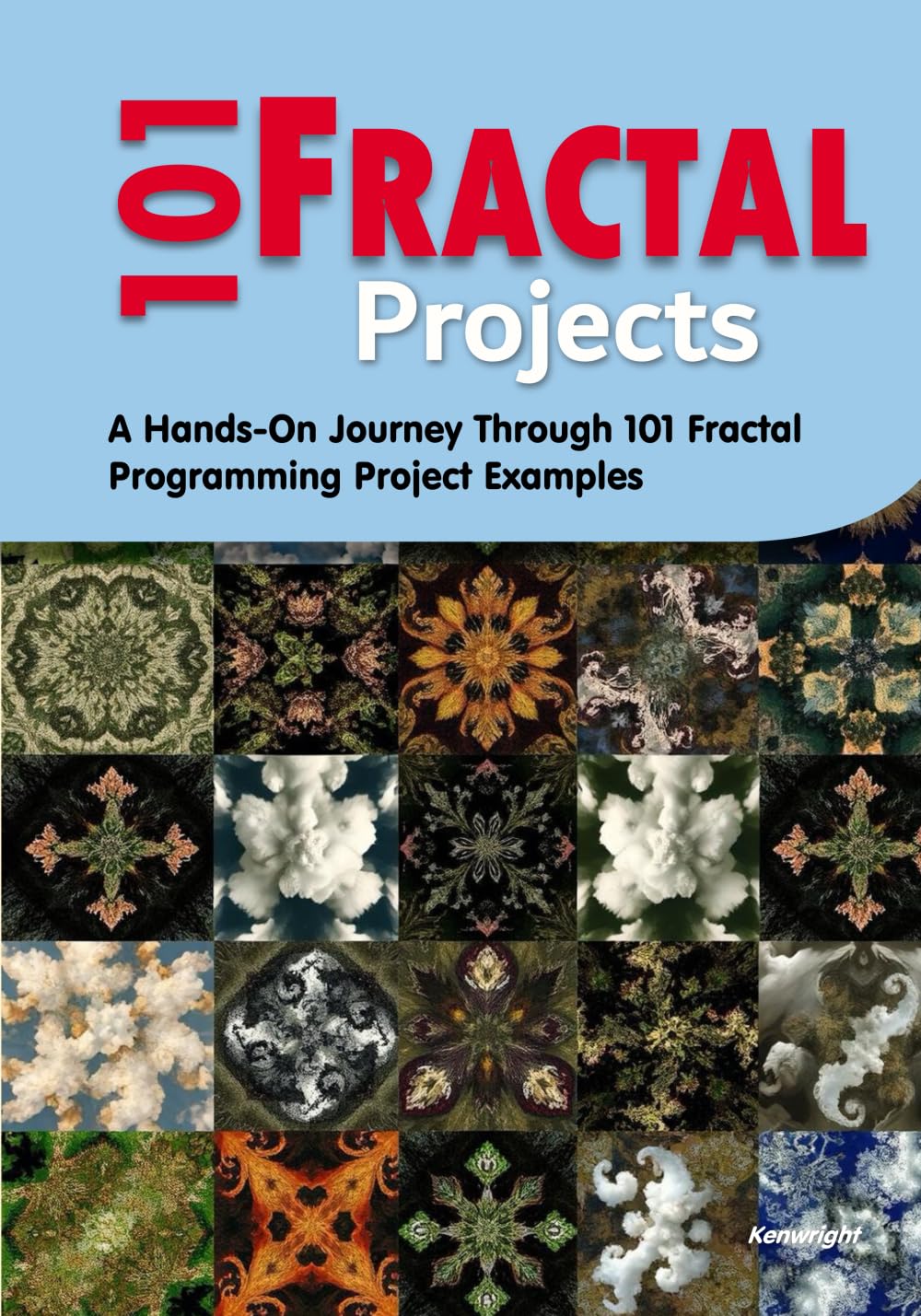
101 Fractal Projects: A Hands-On Journey Through 101 Fractal Programming Project Examples
Published: February 15, 2025
View Details
WebGPU Shader Language Development: Vertex, Fragment, Compute Shaders for Programmers
Published: May 9, 2024
View Details
WebGPU & WGSL Essentials: A Hands-On Approach to Interactive Graphics, Games, 2D Interfaces, 3D Meshes, Animation, Security and Production
Published: March 27, 2024
View Details