 Techo Reads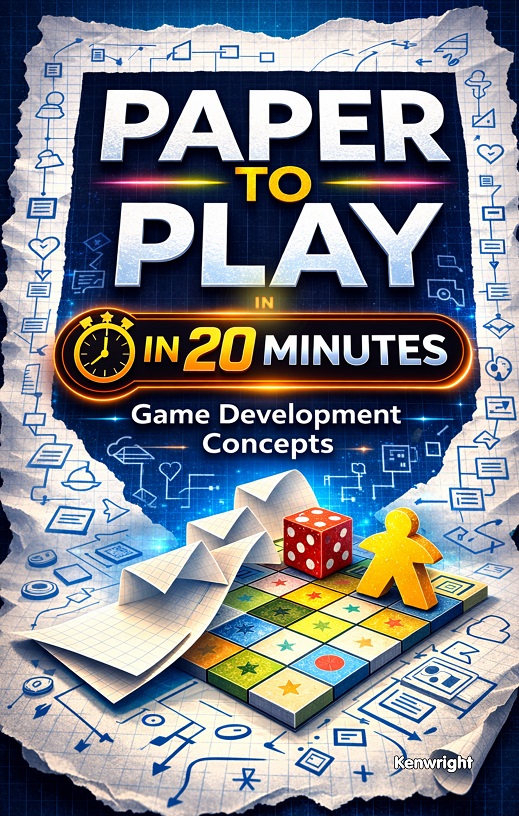
Paper to Play in 20 Minutes
A comprehensive guide to mastering Game Prototyping, Rapid Game Development, Game Design and more.
Book Details
- ISBN: 9798251166163
- Publication Date: 2026
- Pages: 455
- Publisher: Tech Publications
About This Book
This book provides in-depth coverage of Game Prototyping and Rapid Game Development, offering practical insights and real-world examples that developers can apply immediately in their projects.
What You'll Learn
- Master the fundamentals of Game Prototyping
- Implement advanced techniques for Rapid Game Development
- Optimize performance in Game Design applications
- Apply best practices from industry experts
- Troubleshoot common issues and pitfalls
Who This Book Is For
This book is perfect for developers with intermediate experience looking to deepen their knowledge of Game Prototyping and Rapid Game Development. Whether you're building enterprise applications or working on personal projects, you'll find valuable insights and techniques.
Reviews & Discussions

This resource is indispensable for anyone working in Paper. Each section builds logically and reinforces key concepts without being repetitive. I’ve started incorporating these principles into our code reviews.

I've been recommending this to all my colleagues working with Game Prototyping. I appreciated the thoughtful breakdown of common design patterns.

This book distilled years of confusion into a clear roadmap for Game Mechanics.

This book made me rethink how I approach Paper Prototyping.

The author's experience really shines through in their treatment of Paper Prototyping. I especially liked the real-world case studies woven throughout.

This helped me connect the dots I’d been missing in Game Jams.

This book distilled years of confusion into a clear roadmap for Paper. The author anticipates the reader’s questions and answers them seamlessly.
I keep coming back to this book whenever I need guidance on Paper Prototyping.

I was struggling with until I read this book Game Design.

This book completely changed my approach to Game Concepts. I feel more confident tackling complex projects after reading this. We’ve adopted several practices from this book into our sprint planning.

After reading this, I finally understand the intricacies of Minutes. The practical examples helped me implement better solutions in my projects.

I've read many books on this topic, but this one stands out for its clarity on Game Mechanics.
This book bridges the gap between theory and practice in Creative Thinking.

I've been recommending this to all my colleagues working with Rapid Game Development. I particularly appreciated the chapter on best practices and common pitfalls.

This book bridges the gap between theory and practice in Indie Game Development.

The author has a gift for explaining complex concepts about Game Prototyping.

I wish I'd discovered this book earlier—it’s a game changer for Iterative Design. I found myself highlighting entire pages—it’s that insightful. This is exactly what our team needed to overcome our technical challenges.
This book distilled years of confusion into a clear roadmap for Paper. The writing style is clear, concise, and refreshingly jargon-free.

I keep coming back to this book whenever I need guidance on Paper Prototyping.

After reading this, I finally understand the intricacies of Paper.
This book distilled years of confusion into a clear roadmap for Iterative Design. The author's real-world experience shines through in every chapter.

A must-read for anyone trying to master Game Concepts.

The author's experience really shines through in their treatment of Iterative Design.

The clarity and depth here are unmatched when it comes to Game Concepts.

This book gave me the confidence to tackle challenges in Game Mechanics. Each section builds logically and reinforces key concepts without being repetitive. I've already seen improvements in my code quality after applying these techniques.

This book gave me the confidence to tackle challenges in Game Mechanics. The author’s passion for the subject is contagious.

The clarity and depth here are unmatched when it comes to Minutes.

I was struggling with until I read this book Game Mechanics.

This book made me rethink how I approach Paper Prototyping. Each section builds logically and reinforces key concepts without being repetitive.
The examples in this book are incredibly practical for Game Mechanics.

I’ve already implemented several ideas from this book into my work with Game Jams. Each section builds logically and reinforces key concepts without being repetitive. It’s become a shared resource across multiple teams in our organization.
Join the Discussion
Related Books
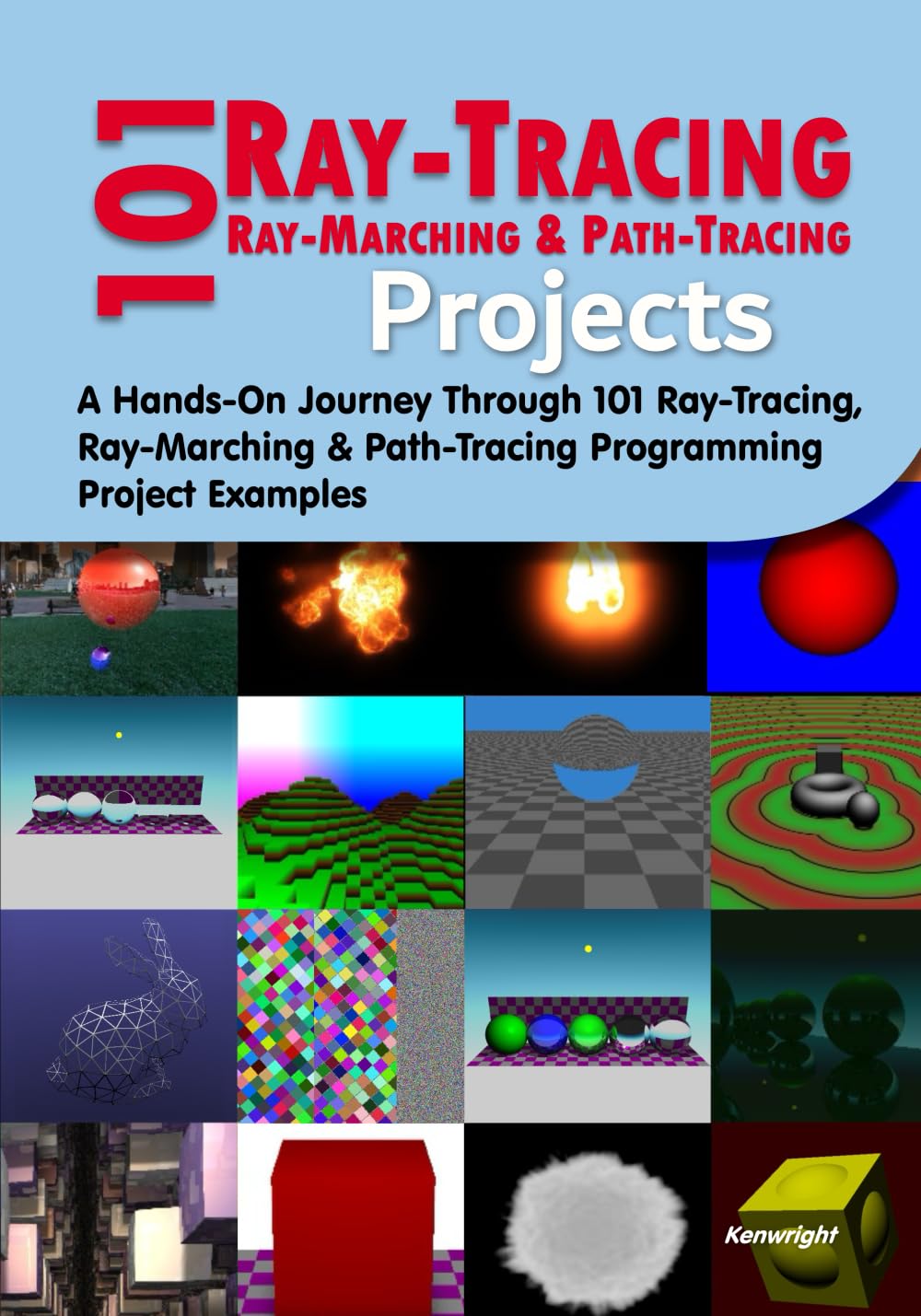
101 Ray-Tracing, Ray-Marching and Path-Tracing Projects: A Hands-On Journey Through 101 Programming Project Examples
Published: March 2, 2025
View Details